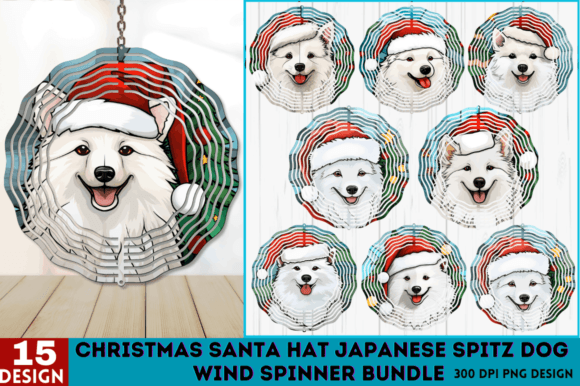
Christmas Japanese Spitz Wind Spinner Review
As a designer who has spent years testing embroidery files for both personal projects and commercial small business lines, I know that the difference between a good design and a great one often comes down to context. You might find a beautiful illustration on your screen, but does it translate well when the needle hits the fabric? Today, I am evaluating the Christmas Japanese Spitz Wind Spinner, an entry in the Illustrations category that promises holiday charm with a unique twist. This review is not just about how cute the image looks; it is about how this specific design performs in real-world stitching scenarios, from custom tote bags to boutique gift items.
First Impressions: Mood and Visual Personality
The moment you open the file for the Christmas Japanese Spitz Wind Spinner, the mood shifts instantly. There is a distinct warmth to the concept of a Japanese Spitz amidst winter festivities, combined with the dynamic motion implied by a wind spinner. The layout feels balanced, capturing the fluffy texture of the dog's coat while integrating the geometric or flowing elements of a spinner. For an embroidery project, this duality is crucial. It suggests a design that can handle both detailed fill stitches for the fur and smoother running or satin stitches for the background elements.
Visually, this piece feels like it belongs in a cozy, handmade collection rather than a mass-produced factory item. The character of the Spitz shines through, offering a personality that customers will connect with immediately. When I look at this as a potential asset for my own shop, I see it working beautifully as a focal point on apparel or home decor. It creates a sense of narrative—a story of a happy dog enjoying the holidays—that adds value beyond simple decoration.
Real-World Application: From Screen to Stitch
To truly understand the utility of this machine embroidery design, I put myself in the shoes of a crafter preparing for the holiday rush. Imagine you are creating a line of custom embroidered sweatshirts for a local boutique or designing personalized baby onesies for a high-end Etsy listing. Where does the Christmas Japanese Spitz Wind Spinner fit?
I envision this design excelling on medium-to-large surface areas where the details can breathe. A canvas tote bag is a perfect candidate. The sturdy fabric supports the stitch density required to render the Spitz's fluffy coat without puckering. On a tote, the wind spinner element could be positioned centrally, acting as a cheerful greeting for anyone carrying groceries or books. Similarly, for a kitchen towel or apron, this design brings a festive touch to holiday cooking sessions. The contrast between the white fur of the dog and a dark red or green thread would pop effectively against a neutral linen background.
For those selling digital products or printable mockups, this illustration offers a strong visual hook. Clients browsing for holiday-themed assets are drawn to specific characters, and the Japanese Spitz provides a unique niche compared to generic Santa or reindeer motifs. It elevates the perceived professionalism of a brand, signaling that the seller cares about unique, high-quality design assets.
Where Caution Is Required
While the design is charming, no single file works perfectly everywhere. As an experienced reviewer, I must highlight where the Christmas Japanese Spitz Wind Spinner might face challenges. If you are working with a very small hoop size, such as 4x4 inches, you need to carefully inspect the fine details. Small hair textures or intricate parts of the wind spinner structure may become muddy if stitched too densely on a tiny area.
Textured fabrics like heavy corduroy or thick fleece can sometimes hide the definition of the design. On stretchy knits, like thin t-shirts or leggings, the stabilizer choice becomes critical. Without proper backing, the tension of the embroidery could distort the fabric, ruining the silhouette of the Spitz. Additionally, if you plan to use this on dark fabric, ensure your thread colors have enough contrast. A light-colored dog on a black background requires specific underlay and topstitching strategies to maintain clarity.
Curved surfaces, such as baseball caps or beanies, present another hurdle. While many designs adapt well, the circular or spinning nature of this motif needs to be aligned correctly on a curved brim to avoid looking distorted. Always test on scrap fabric first to confirm the stitch density holds up on your specific material.
Impact on Product Value and Customer Trust
In the world of handmade goods, the quality of the embroidery directly influences customer trust. A crisp, well-executed embroidery file suggests that the maker takes pride in their work. The Christmas Japanese Spitz Wind Spinner, when stitched correctly, adds a layer of sophistication to a finished product. It transforms a basic item into a personalized gift that feels thoughtful and curated.
Customers are increasingly discerning. They want to know that the item they are buying is durable and aesthetically pleasing. A design that features clear lines and appropriate spacing demonstrates attention to detail. This translates to higher satisfaction rates and fewer returns due to "poor quality" complaints. Furthermore, using a unique illustration like this helps a small shop stand out in a crowded marketplace. It gives buyers a reason to choose your product over a competitor's generic option.
Practical Designer Notes for Success
Before you commit to producing a batch of items with this design, there are several technical steps every professional should take. First, always check the recommended hoop size and verify that the design fits within your machine's capabilities. If the file format is not specified, assume you may need to adjust the digitization settings to match your specific machine model.
Thread color selection is paramount. Test different color combinations to ensure the Spitz stands out against the intended fabric. Run a black-and-white mockup of the design to check the contrast levels; if the values are too similar, the design will lack depth even after stitching. Review the stitch density carefully. Too much density on a small area can cause the fabric to pucker, while too little can leave gaps in the fur texture.
Don't forget the stabilizer. Using the wrong type of backing can lead to registration issues or fabric distortion. Whether you are making a single custom gift or a bulk order for a craft fair, consistency is key. Inspect the final sample for any loose threads or missed stitches before packaging. Finally, confirm the licensing terms. Ensure you have the right to sell finished items made with this digital embroidery file, especially if you are planning to use it for commercial purposes or resale.
Final Verdict
The Christmas Japanese Spitz Wind Spinner is a versatile and heartwarming addition to any embroidery library. It bridges the gap between cute character art and functional holiday decor. With careful planning regarding fabric choice, stabilizers, and thread colors, this design can elevate your handmade products, whether they are sold online or at local markets. It is a design that invites creativity and rewards the maker with a polished, professional finish. For designers looking to add a touch of unique holiday spirit to their collections, this is a strong contender worth testing in your next project.